
SAP cutover: moving day from the old kitchen to the new one
Explains what an SAP cutover is, why it's the most tense moment in a project, and what you need to prepare for a successful cutover, using the analogy of a restaurant relocating to a new building.
Hi, this is Rabbit! 🐰
A neighborhood restaurant that’s been running for years is finally moving to a new building. After months of construction, the new kitchen is packed with the latest equipment. All that’s left is to open the doors and welcome the first customers.
But it’s not that simple. Existing ingredients need to move into the new fridges, staff need to adjust to a new layout, and regular customers need to hear about the new location. On moving day, everything has to line up at once.
The cutover in an SAP project is exactly this moment.
- Cutover refers to the entire transition process of shutting down the legacy system and switching real business operations over to SAP.
- During this window, data migration, final configuration checks, and user authorization all happen at once.
- If it fails, the business grinds to a halt — so thorough rehearsal and a rollback plan are essential.
What is a cutover
Cutover refers to the entire transition process of shutting down operations on the existing legacy system and handing business operations over to the new SAP system.
In restaurant terms: you pick a moving date, and on that day you close the doors at the old location. Once construction on the new building is done, you move the existing ingredients and equipment over, prep the new menu, and rearrange staff assignments. The next morning, you open for business at the new location.
An SAP cutover works the same way. You set a D-day and go through a downtime window where the existing system stops being used. During that window, you migrate data, do a final check of configuration, and open up user accounts. Once the dust settles, the first business transaction runs in SAP.
Most projects use a Big Bang approach — fully shutting down the old system and switching 100% over to SAP — because running two systems in parallel is too much of a burden.
What happens during the cutover window
Once downtime begins, three things happen at the same time.
Data migration is the core of it. Material masters, business partner records, inventory quantities, and open orders accumulated in the old system all move over to SAP. In restaurant terms, it’s moving ingredients from the old fridge to the new one — tossing anything past its expiration date and relabeling everything.
Final configuration checks also happen here. You verify that everything validated in the test environment has actually made it into production correctly — org structure, approval chains, pricing conditions, tax codes, and so on.
User account activation and authorization assignment happen at this point too. Purchasing staff get access limited to purchasing screens, production staff get access limited to PP screens, and so on.
All of this has to finish within the downtime window. If it runs over, the business stays down longer.
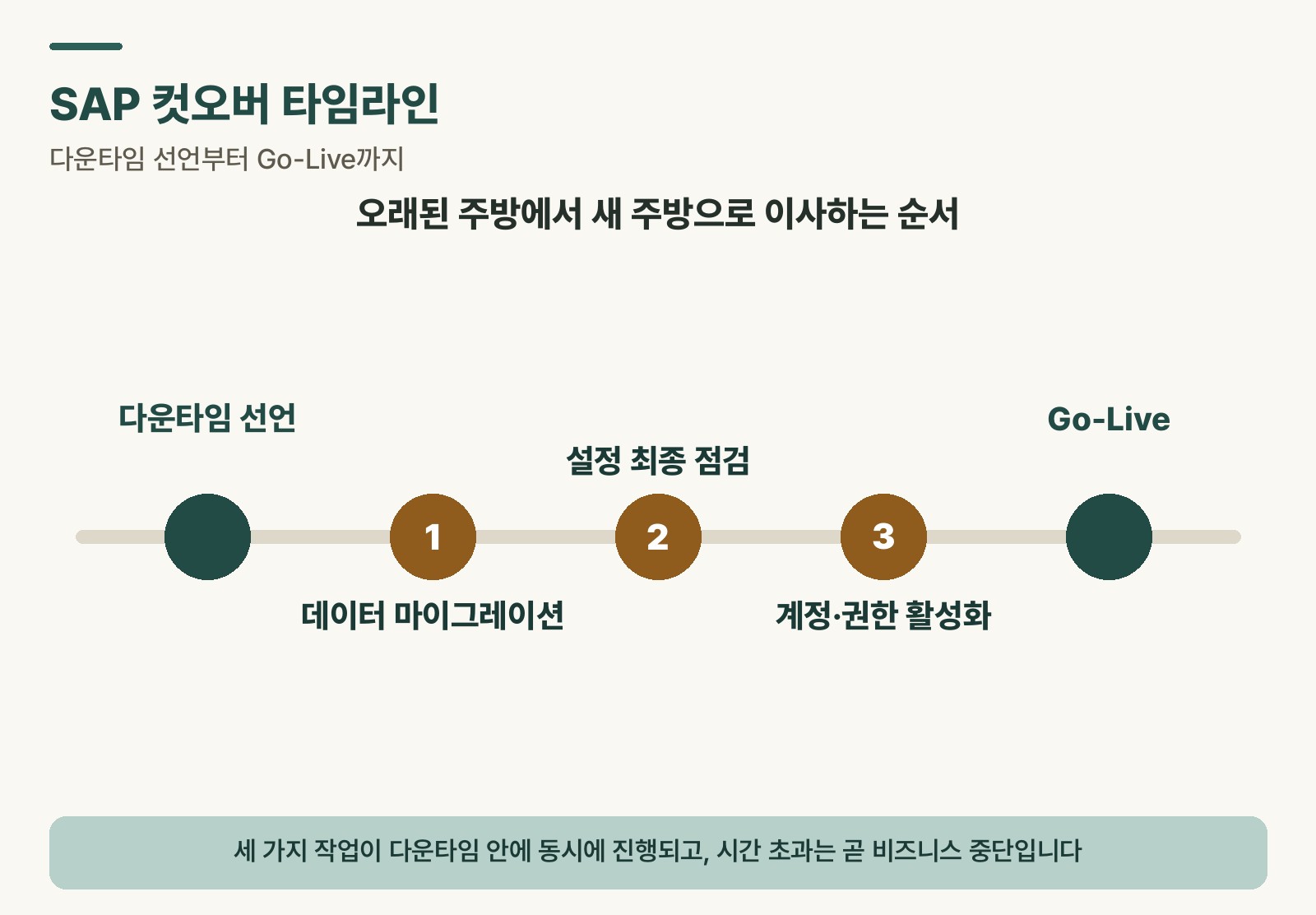 Figure 1. Cutover timeline and key checkpoints
Three things to prepare for a successful cutover
First, data cleansing.
Old data piles up in a legacy system: duplicate business partner codes, materials discontinued long ago, inventory quantities that no longer match reality. Carry that straight into SAP, and the numbers won’t add up from day one.
Cleaning and validating data before cutover is non-negotiable. There’s a saying: “garbage in, garbage out.” The quality of the data going into the new system determines the quality of the system itself.
Second, mock cutover rehearsal.
You need at least one rehearsal that uses the same data, the same timeline, and the same team members as the actual cutover.
The rehearsal tells you how long each task actually takes in practice. Something always takes longer than expected. A data migration script might have a bug, or there might be a wait between handoffs from one owner to the next. The point of rehearsal is to find and fix these issues before the real thing.
Third, a runbook and rollback plan.
A runbook is a minute-by-minute execution plan defining who does what, when, and how during the cutover window. It captures the owner, start time, completion criteria, and start condition for the next task, for every single item.
💡 Key point: The runbook must include a contingency plan. Without predefined responses to scenarios like “what if data migration isn’t done by X time?”, things spiral into chaos the moment a real problem hits.
The rollback plan is the last line of defense — the procedure for reversing everything if an unsolvable, serious problem comes up mid-cutover. The decision point for triggering a rollback, who owns that call, and the procedure itself all need to be defined clearly ahead of time.
What cutover day actually feels like
If you’ve been through one, you know cutover day has its own strange atmosphere. Months of project work come down to this one transition.
Late at night, the team gathers to track data migration progress. Each task gets checked off in the runbook and handed to the next owner. When the first production order gets issued in SAP at two or three in the morning, everyone watching the monitors finally exhales.
⚠️ Note: Unexpected errors will absolutely come up during the initial stabilization period after cutover. Cases that passed testing can behave differently once real data is attached. You need a hypercare setup for the first few weeks after go-live, where key personnel provide hands-on support on the ground.
During hypercare, SAP consultants and business power users are either stationed on-site or ready to respond immediately. It also matters to have a single intake channel for issues and a clear priority system based on urgency. Only after this period wraps up is the project truly finished.
Rabbit’s Takeaway
Cutover isn’t the end of a project. It’s the beginning.
It’s the day that months of work gets applied to real operations for the first time. Success isn’t measured by nothing going wrong that day — it’s measured by how fast you can spot and respond to problems when they do.
A well-built runbook, thoroughly validated data, and the experience gained from rehearsal are what build that responsiveness. If you want opening day in the new kitchen to feel calm rather than nerve-wracking, everything comes down to how well you prepared the day before. 😎
Read more