
SAP certification exams: from a written test to a hands-on kitchen exam room
SAP certification exams have shifted from multiple choice to hands-on. Covers the difference between the system-based exam and the AI scenario exam, the registration process, and mistakes you need to know about.
Hi, this is Rabbit! 🐰
Imagine a chef’s licensing exam switching from written to practical. It used to be multiple choice you could pass by memorizing “how many grams of salt?” Now you have to walk into a kitchen and actually cook.
SAP certification exams have changed the same way. The confusingly-worded multiple choice questions are gone, replaced by a format where you log into a real system and complete actual tasks. Today I’ll walk through how the new exam format actually runs, plus the traps that can trip you up if you don’t know about them.
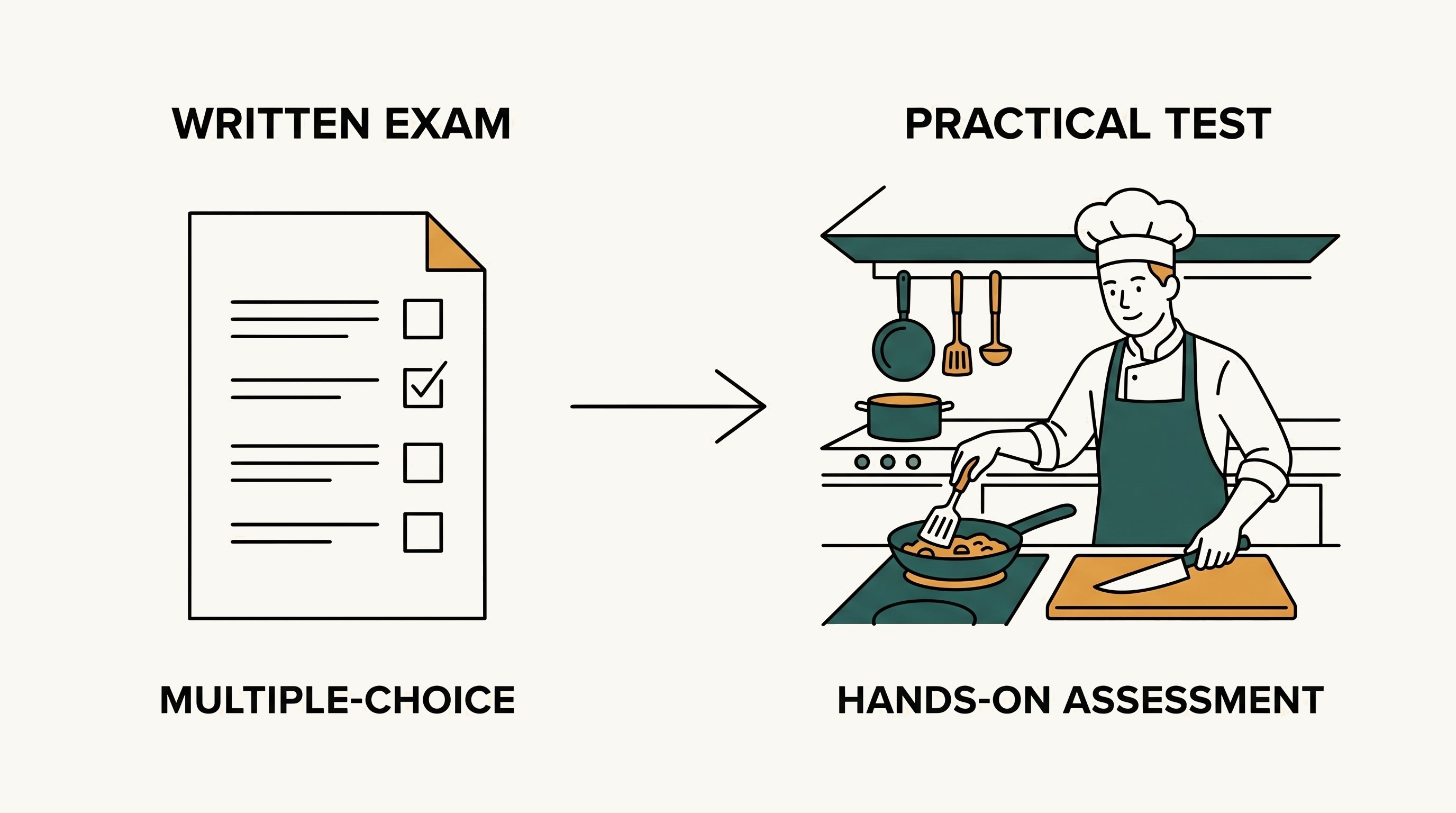 Figure 1. From multiple-choice written exam to hands-on practical — the new SAP certification exam
- SAP exams have shifted from multiple choice to hands-on formats, and there are two types.
- They split into the system-based exam (direct configuration) and the AI scenario exam (consulting role-play).
- You don’t choose which type you take — the subject determines it for you.
Exams split into two formats
The revised SAP exam comes in two formats. One important thing: you don’t get to choose between them. Which format you get is already determined by the nature of the certification subject.
- System-based exam: for development/configuration-focused subjects. You log into an actual SAP server and operate it directly.
- AI scenario exam: for consulting/explanation-focused subjects. You’re given a hypothetical customer situation and propose solutions through conversation with an AI.
In kitchen terms, a cooking certification has you actually cook (hands-on), while a manager certification has you role-play handling a customer situation. Both give you up to 3 hours, and you can take the same subject up to 4 times a year.
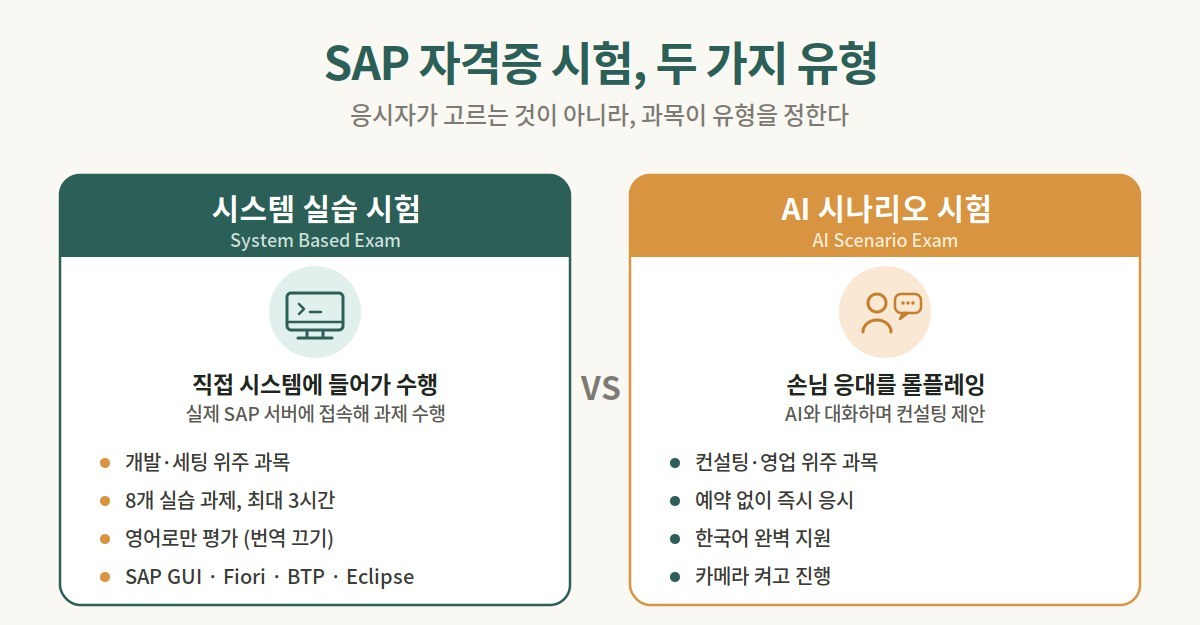 Figure 2. Comparing the two exam formats — system-based exam and AI scenario exam
System-based exam: completing tasks on a real server
This exam isn’t a simulated screen — you log into an actual SAP cloud server and complete tasks there. Depending on the module, the real environment opens up as-is: SAP GUI, the Fiori launchpad, BTP Cockpit, or even Eclipse for development subjects.
The exam consists of about 8 major hands-on tasks, each broken into sub-tasks. You’re given 3 hours on the clock, but if your practical skills are solid, it’s realistically a 40-minute-to-1-hour exam. The grading standard is essentially “can you go into the menu and set up the instance following the guide,” so for someone who’s practiced, there are no tricks — if anything, it’s fairly intuitive.
The flow goes: Enroll → review instructions → Access Practice System to launch the server → complete the tasks. But there are two traps you absolutely need to know about.
⚠️ Trap 1 — the
Confirm completionbutton: This button at the bottom of the screen doesn’t mean “one task is done” — it means “submit the entire exam, final.” Click it after finishing just one task, and the exam ends immediately with no way to undo it. Only click it once you’ve completed every single task.
⚠️ Trap 2 — turn off browser auto-translate: The exam prompts and system values are graded in English only. If you have Chrome’s translation feature on, it can mistranslate SAP’s own menu names and instance names, causing configuration errors or grading glitches. You need to take the exam with the original English text intact.
AI scenario exam: interactive evaluation with an AI
Consulting- and sales-oriented subjects use this format. You’re given a business situation (use case) — say, implementing S/4HANA for a specific company — and evaluated on how you’d propose and guide the client as a consultant.
There are two options for taking it, but the recommended one is real-time role-play with an AI avatar. Recording and submitting your own presentation is also an option, but grading takes about 4 weeks that way. The AI format lets you take the exam whenever you want, with no need to book a time slot.
There’s one difference that matters a lot for beginners. Unlike the system-based exam, the AI scenario exam fully supports Korean. The AI avatar asks questions in Korean and captions display cleanly, so even if English feels intimidating, you can give your consulting answers in Korean. The AI isn’t just a recorder — it understands the context of your answers and asks natural follow-up questions to keep the conversation going. One thing to note: your camera needs to stay on for the entire exam.
Checking results and getting certified
For both exam formats, you can check pass/fail status in the ‘Review’ tab within about 15 minutes of submitting, since grading is automated.
If you pass, you’ll get an email within 2 weeks with instructions for claiming your digital badge on Credly, a global credential management platform. SAP doesn’t issue a physical certificate directly — instead, you receive a digital badge and PDF certificate through Credly. You can share this badge directly on platforms like LinkedIn.
How to prepare
Since it’s a hands-on exam, memorizing past questions doesn’t work anymore, and no sample questions are provided either. So preparation really comes down to one thing: SAP Learning Hub.
The Learning Hub includes a practice server identical to the actual exam environment, along with hands-on guide materials. Repeating the steps in the guide until they’re second nature is the most reliable path — you’re essentially rehearsing the exact environment you’ll face in the exam room. Whether it’s worth getting certified at all, and what it costs, is covered in SAP certification guide: how to actually read the certification menu.
Rabbit’s Takeaway
“It switched to hands-on, so it must be harder now” is the most common misconception. It’s actually the opposite. The old multiple-choice format had a lot of trick questions built around twisting a single word to confuse you. Now it honestly just checks one thing: can you follow the guide and do it in the system.
It’s gone from an exam you pass by memorizing and guessing to one you pass by having actually done the work. That makes your prep direction clear too: not a question bank, but hands-on time on a practice server. Keep that one shift in mind, and the exam should feel a lot more manageable. 😎
Read more